

Blog
Home Gym vs Commercial Gym: Which Is Better for Your Fitness Goals in 2026?

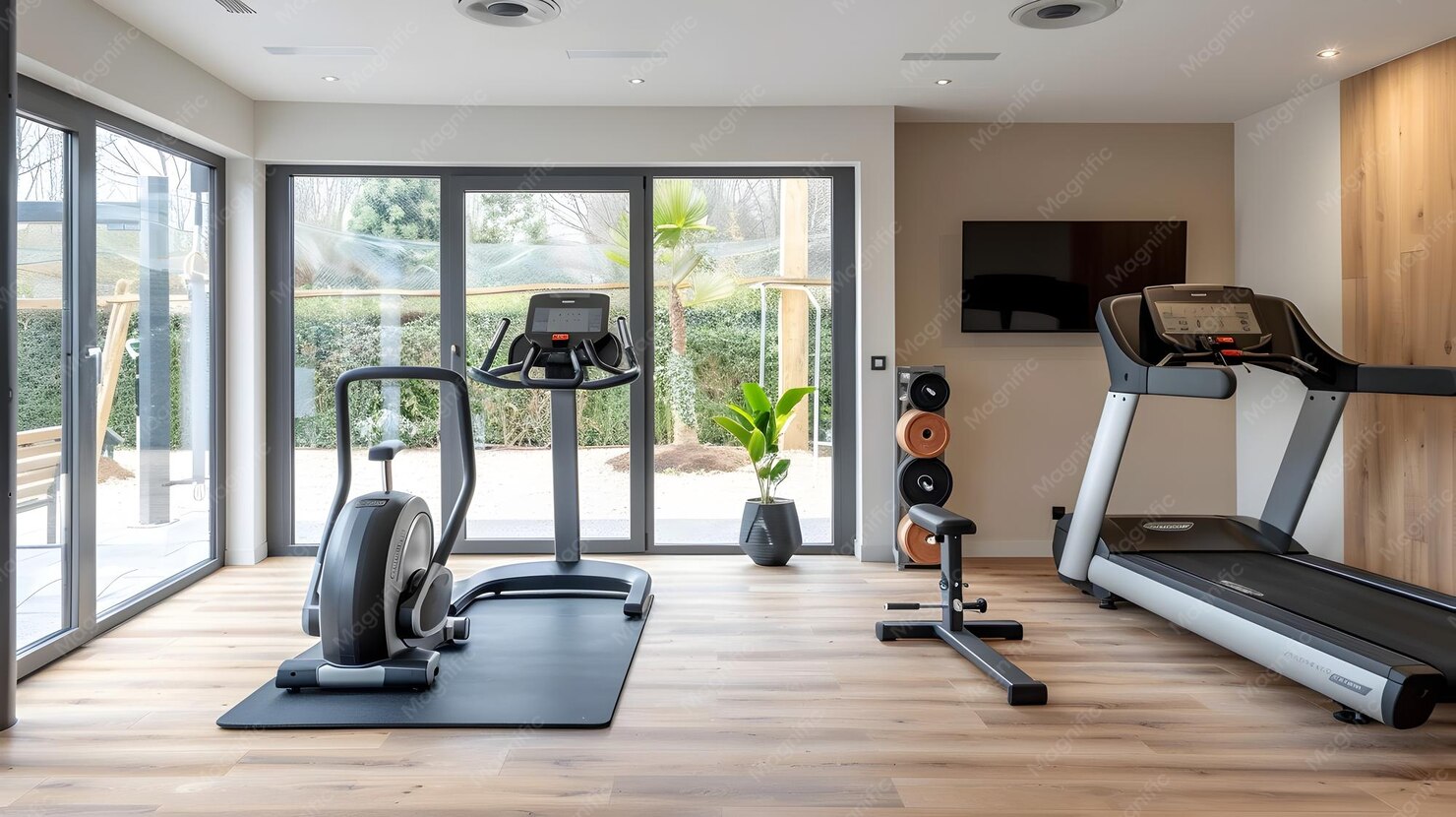
For decades, joining a commercial gym was considered the standard path to achieving fitness goals. Today, however, home gyms are becoming increasingly popular among fitness enthusiasts, professionals, and beginners alike. Advances in fitness equipment technology, growing awareness of health and wellness, and the convenience of working out at home have transformed how people approach exercise.
But which option is actually better? Should you invest in a home gym or continue using a commercial fitness center?
In this comprehensive guide, we’ll compare home gyms and commercial gyms across multiple factors including cost, convenience, equipment variety, motivation, privacy, and long-term value to help you make an informed decision.
The Rise of Home Fitness
The fitness industry has experienced a major shift in recent years. More people are realizing that effective workouts don’t necessarily require expensive memberships or large fitness facilities.
Modern home gym equipment now offers many of the same training opportunities found in professional gyms, including:
- Strength training
- Functional fitness
- Cardio workouts
- Weight loss programs
- Muscle-building routines
- Rehabilitation exercises
As a result, homeowners are increasingly investing in personal fitness spaces that fit their lifestyles.
Convenience: The Biggest Advantage of Home Gyms
One of the strongest arguments in favor of a home gym is convenience.
With a home setup, you can:
- Exercise whenever you want
- Avoid commuting
- Eliminate waiting for equipment
- Fit workouts into a busy schedule
- Stay consistent during extreme weather
For many people, removing the travel time associated with gym visits significantly improves workout consistency.
Even saving 20 to 30 minutes per day can add up to hundreds of hours annually.
Cost Comparison
Commercial Gym Costs
Many people underestimate the long-term cost of gym memberships.
Typical expenses may include:
- Monthly membership fees
- Registration charges
- Personal training fees
- Parking costs
- Transportation expenses
- Premium class memberships
Over several years, these costs can become substantial.
Home Gym Investment
A home gym generally requires a larger initial investment but lower long-term expenses.
Basic home gym setup:
- Adjustable dumbbells
- Weight bench
- Resistance bands
- Exercise mat
Advanced home gym setup:
- Power rack
- Barbell
- Weight plates
- Cardio equipment
- Cable machine
While upfront costs vary, many home gym owners recover their investment within a few years compared to ongoing membership fees.
Privacy and Comfort
Many individuals feel uncomfortable exercising in crowded environments.
A home gym offers:
- Complete privacy
- No waiting for machines
- Freedom to exercise at your own pace
- Greater confidence for beginners
People who are new to fitness often find it easier to build confidence while training in a private environment.
You can focus entirely on your workout without worrying about distractions or social pressure.
Equipment Variety
Commercial gyms typically offer a wider range of equipment.
You may find:
- Dozens of cardio machines
- Specialized resistance machines
- Functional training zones
- Group exercise studios
- Swimming pools
- Recovery facilities
This variety can be appealing, particularly for advanced athletes.
However, many people only use a small percentage of available equipment regularly.
A carefully planned home gym can provide everything necessary for effective strength training and cardiovascular fitness.
Workout Consistency
Consistency is often more important than workout intensity.
Many fitness goals fail because people struggle to maintain a regular routine.
Home gyms can improve consistency because:
- Workouts become easier to schedule
- There are fewer excuses to skip training
- Short workouts become more practical
- Weather does not affect exercise plans
Studies consistently show that convenience plays a major role in exercise adherence.
Time Savings
Consider a typical gym visit:
- Driving to the gym
- Finding parking
- Checking in
- Waiting for equipment
- Driving home
Even a one-hour workout can consume nearly two hours of your day.
Home gyms eliminate most of these inefficiencies, allowing you to spend more time exercising and less time traveling.
Customization Options
Your home gym can be tailored specifically to your goals.
For example:
Weight Loss Focus
Recommended equipment:
- Treadmill
- Exercise bike
- Rowing machine
- Resistance bands
Muscle Building Focus
Recommended equipment:
- Power rack
- Barbell
- Weight plates
- Adjustable dumbbells
Functional Fitness Focus
Recommended equipment:
- Kettlebells
- Suspension trainers
- Medicine balls
- Battle ropes
This level of personalization is difficult to achieve in a shared commercial environment.
Hygiene and Cleanliness
A home gym provides complete control over cleanliness.
You don’t need to worry about:
- Shared equipment
- Crowded locker rooms
- High-touch surfaces
- Peak-hour congestion
Maintaining a clean workout environment becomes significantly easier when equipment is used only by household members.
Motivation and Accountability
Commercial gyms do offer some motivational benefits.
These include:
- Group classes
- Social interaction
- Personal trainers
- Competitive atmosphere
However, motivation ultimately comes from personal commitment.
Many home gym users maintain accountability through:
- Workout apps
- Online coaching
- Fitness communities
- Training schedules
- Progress tracking tools
Modern technology makes it easier than ever to stay motivated without leaving home.
Space Requirements
A common misconception is that home gyms require large rooms.
In reality, many effective setups can fit into:
- Spare bedrooms
- Garages
- Balconies
- Small home offices
Even a compact area equipped with adjustable dumbbells and resistance bands can support hundreds of effective exercises.
Which Option Is Best for Beginners?
For beginners, home gyms offer several advantages:
- Less intimidation
- Lower long-term costs
- Flexible scheduling
- Easier habit formation
Starting with basic equipment allows new fitness enthusiasts to learn proper exercise techniques and gradually build confidence.
Final Verdict
There is no single answer that fits everyone. Both home gyms and commercial gyms have unique benefits.
Choose a commercial gym if you value:
- Large equipment selection
- Group classes
- Social interaction
- Specialized facilities
Choose a home gym if you value:
- Convenience
- Privacy
- Long-term savings
- Flexible scheduling
- Consistent training opportunities
For many people in 2026, a home gym represents one of the smartest investments they can make in their health, fitness, and quality of life. With the right equipment and commitment, a home gym can deliver professional-level results while providing unmatched convenience and freedom.
 Accessories